Featured
Table of Contents
Combination takes some time, clearness, and leadership that rewards joint success over individual wins. It concentrates on meaningful storytelling, genuine reporter relationships, and offering ideas the time they need to establish. With slow PR, success isn't about the number of stories you press weekly, however how strong your relationships and protection are over time.
While others stress out chasing every pattern, you're building reliability. It also secures your team because consistent pressure eliminates imagination and drives excellent individuals away. Start by cutting activities that consume time without including worth like Focus rather on developing quality content that takes time to establish and construct genuine authority.
Strategy longer campaigns with area for research study, relationships, and thoughtful execution. PRLab's expert-tip: Slow PR does not indicate removing all fast reactions. It indicates being tactical about when speed matters versus when depth delivers more value. Select when to speak and when to keep back. Provide your team space to believe and charge.
Entry-level PR tasks that when taught the fundamentals are disappearing as AI takes over routine jobs. Companies now desire people who can handle tools, edit, and analyze information. This is generating Newbies have less methods to find out the fundamentals, and mid-career pros are under pressure to quickly build tech skills they never ever needed in the past.
Effective Media Relations Practices for Maximum Impact
Companies may have a hard time to discover strong PR skill in a couple of years. However if teams buy both communication and tech knowledge, they'll remain competitive and construct a more powerful, more well balanced future. Here's how to approach it depending upon your career phase: Get comfy with core PR tools. Find out platforms like HubSpot for automation, Notion for managing workflows, and Sprinklr for media tracking and analytics.
Use platforms like LinkedIn Knowing or Coursera to develop your tech skills. Concentrate on locations like data analysis, marketing automation, or AI tool management to remain current and competitive. Do not remove junior functions, upgrade them. Produce methods that build both communication and tech abilities so your group becomes more well-rounded and future-ready.
Strategic Communication for the Modern News Cycle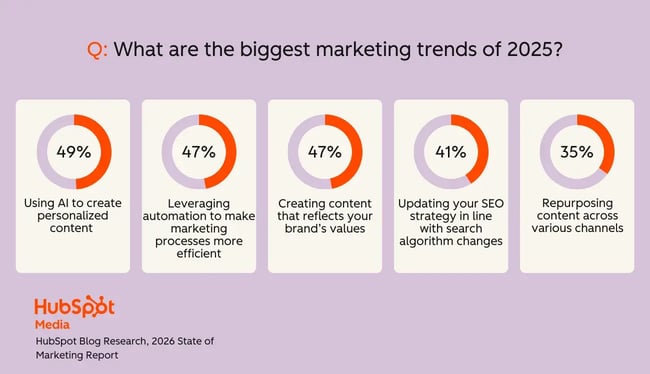
If you lag on the tech side, master one automation platform rather of attempting to discover them all. If technique is your weak area, find a coach, study leading campaigns, or lead a small job to practice preparation. The objective is to be proficient in both innovation and storytelling, not to pick between them.
These businesses bring in experienced PR specialists typically with 15+ years of experience, Senior PR leaders are leaving standard roles to work with numerous clients on a part-time basis, filling the space in between junior hires and costly retainers. You get somebody who can Having that expertise early saves time, avoids costly mistakes, and develops trustworthiness quicker.
Now, produce 23 service tiers with set hours and clear deliverables so clients know what they're paying for and you avoid blurred lines. PRLab's expert-tip: The biggest threat in fractional PR is blending strategy with execution. Customers will request for news release, daily pitching, or social networks management since they require help everywhere.
Protecting Digital Reputation in the Era of AI
The setup works best when a junior PR person can execute your strategy. If not, help them discover support, but don't become their full-service firm. AI platforms like ChatGPT, Gemini, and Claude are exploring It's early, but if this broadens, brand names might soon pay to appear in AI-generated answers just like ads on Google or Facebook.
If AI platforms roll out paid positionings, Users may lose rely on AI results if they can't inform what's paid and what's made. Smaller sized brands with excellent stories might get buried under larger spending plans. PR teams will need methods that integrate organic, specifically for high-value search terms where your audience asks AI for recommendations.
Set internal guidelines about disclosure requirements and budget plan limits before paid options appear. PRLab's expert-tip: Start by listing 20 to 50 questions where appearing in AI results would really affect your business: purchase choices, supplier choice, or brand research. Test these inquiries routinely throughout different AI platforms to track your existing exposure.
AI influencers are virtual characters with special appearances, voices, and backstories developed by brand names or digital studios. Brand names now build or partner with these digital figures to represent them year-round, rather of just working with people. AI developers like Lil Miquela and Imma have AI influencers give brandsThey're a terrific fit for product-driven industries like fashion, gaming, and way of life, where audiences currently get in touch with digital characters.
If it makes sense, develop a customized virtual ambassador using tools like Synthesia for videos or Soul Machines for interactive characters. You can also collaborate with existing AI influencers who already link with your audience.
The Impact of SEO in Building Authority
Constantly track audience responses when presenting AI influencers, considering that approval varies by age, culture, and market. Let's Speak about Your PR StrategyLet's talk about how to adapt your PR method before your competitors do. What really matters is still the ability to narrate that feels real and constructs real connections.
I This credibility impacts everything from lead generation to market positioning, making PR more important than ever. They construct relationships with developers the same way they have actually constantly constructed them with reporters.
They're already building how brand names build trust, make exposure, and drive outcomes. PR in 2026 is driven by seven patterns which includes AI in PR, founder-led branding, Generative Engine Optimization (GEO), creativity, immediate-response crisis communication, hyperpersonalization, and narrative intelligence. Each one affects how brand names get discovered, earn trust, and remain visible.
Navigating the Future of Search for Brands
The most effective groups are utilizing clever tools to save time however keeping creativity and storytelling at their work. The biggest change in PR for 2026 is how technology and human storytelling now interact. AI is handling research study, media tracking, and information analysis, while PR experts focus on creativity, technique, and genuine connection.
PR is changing from pushing messages to making trust. The mix of smart innovation and truthful storytelling is what makes modern PR work.
Things like AI tools, media patterns, and audience behavior modification quick, and little modifications can save you a lot of effort later. A quarterly check keeps your plan fresh and your group concentrated on what actually works. During each review, take a look at what type of coverage you're getting, how noticeable your brand name is in AI results, and whether your key messages still link.

Latest Posts
Is Your Reputation Ready for Future PR?
How to Future-Proof Brand Strategy for 2026
How Public Relations Influences SEO and Trust